

Complete your selection
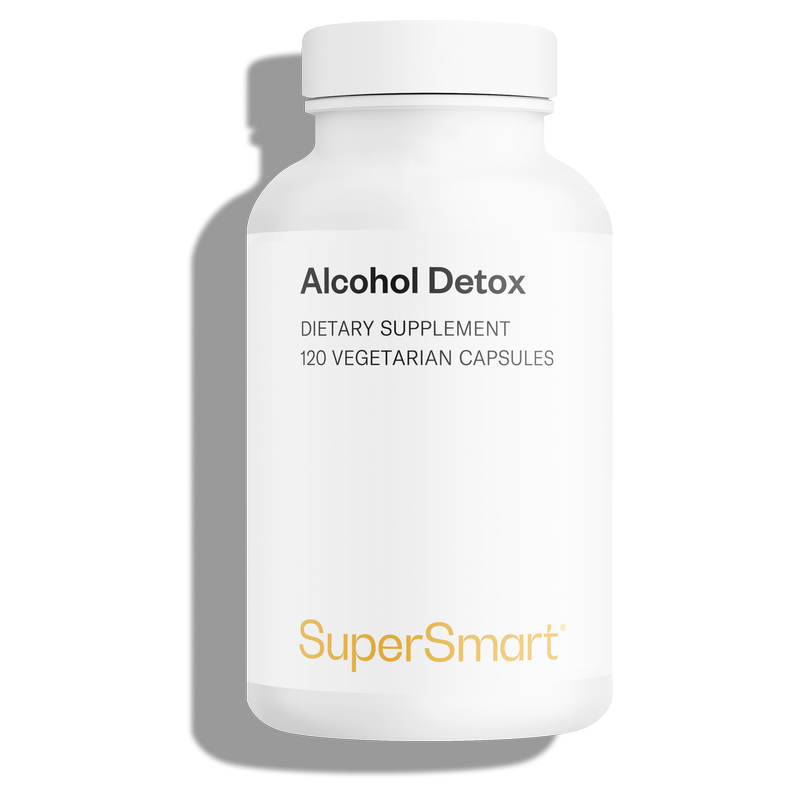
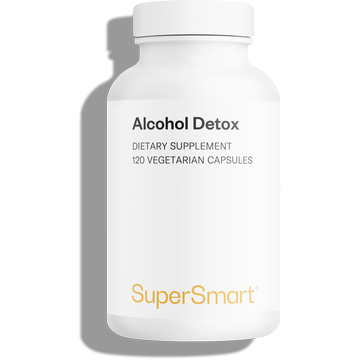
Alcohol Detox is a dietary supplement combining the best active substances for reducing the adverse effects of excessive alcohol consumption. Containing plant extracts targeted at liver health, it also provides vitamins, the uptake of which can be impaired by metabolising ethanol. Its synergistic formulation also acts at a cellular level to support the processes of detoxification.
What is in Alcohol Detox, the perfect supplement for alcohol-fuelled evenings and that ‘morning after misery’?
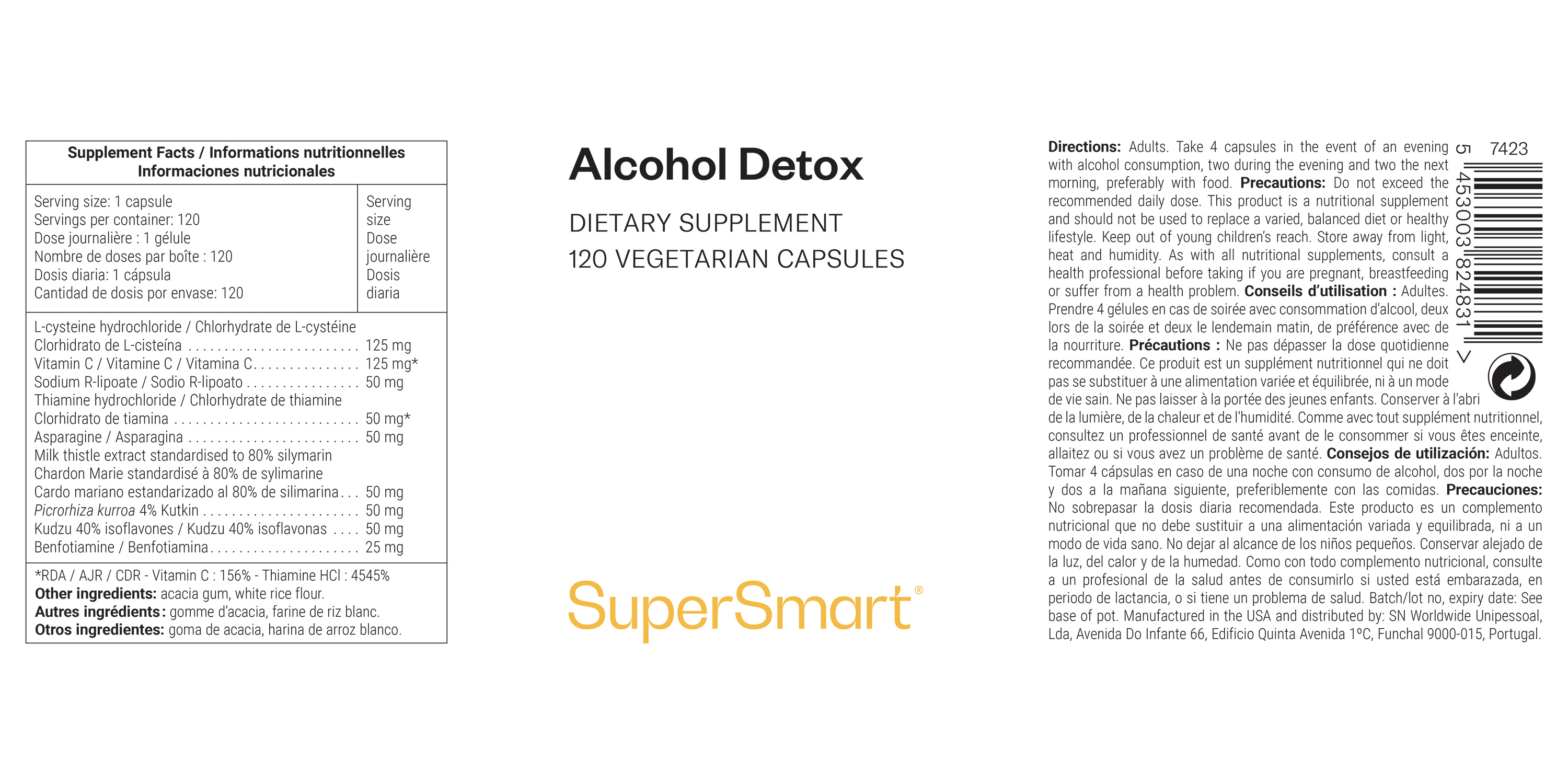
The anti-hangover supplement Alcohol Detox brings together exceptional active principles to help the body recover following heavy alcohol consumption :
- vitamin C. This helps protect cells against the oxidative stress triggered by drinking alcohol. Some studies also point to a link between significant alcohol consumption (> 80g a day) and the development of scurvy (3) ;
- sodium R-lipoate. A sodium salt of alpha-lipoic acid, an important sulphur-containing compound, it appears to play a key role in recycling glutathione (4) ;
- thiamine. This water-soluble form of vitamin B1 helps maintain normal energy metabolism and nervous system function (5). It is combined here with benfotiamine, a fat-soluble derivative of thiamine, for enhanced efficacy (6) ;
- asparagine. A study conducted with control groups suggests a plausible link between decreased serum levels of asparagine, a proteinogenic amino acid, and subsequent diagnosis of an alcohol-related disease (7) ;
- extract of milk thistle (Silybum marianum), standardised to 80% silymarin. A plant originating from the Mediterranean region, milk thistle was much-prized by the Greeks for relieving liver problems. Helping to maintain normal liver function, it seems to exert a regenerating and protective effect on hepatocytes via its main active principle, silymarin (8) ;
- extract of kutki (Picrorhiza kurroa). A plant that grows at high altitudes on Himalayan mountainsides, it is similar to Indian gentian in Ayurvedic medicine. Its root promotes normal liver function, offering remarkable hepatoprotective activity (9) ;
- extract of kudzu (Pueraria lobata). The adaptogenic properties of this climbing vine are attracting scientific interest, with one study showing promising prospects in its examination of the plant’s effects on dependency in heavy drinkers (10).
Note: the supplement Alcohol Detox is not designed to reduce blood ethanol levels.
How is ethanol eliminated from the body?
With the chemical formula C2H5OH, ethanol (or ethyl alcohol) is the psychotropic molecule common to all alcoholic drinks. Partially captured by the stomach, its reabsorption takes place primarily in the gut. It then reaches the liver, via the portal vein, where it is degraded (up to 80%).
Alcohol metabolism involves three major enzymes: alcohol dehydrogenase (ADH), cytochrome P450 and catalase. These are responsible for converting ethanol into acetaldehyde, which is itself converted into acetate by a fourth enzyme, aldehyde dehydrogenase (ALDH). These mechanisms remain largely effective depending on age, weight, ethnicity and medication.
What is in Alcohol Detox
Any questions?
Our team of nutrition experts and scientists has the answers.
Excessive alcohol consumption usually results in a series of short-lived but unpleasant symptoms: headache, intense thirst, fatigue, nausea, dizziness, intolerance to light or noise, irritability ... collectively known as a hangover (11). These variable symptoms peak when blood alcohol levels fall to zero, and can persist for 24 hours. Though often made light of, they should be taken seriously as they are likely to compromise alertness, decision-making or physical coordination.
Repeated consumption of alcohol disrupts fat and sugar metabolism. This manifests in excess triglycerides in liver tissues, causing a condition known as steatosis. What’s more, the accumulation of acetaldehyde leads to free radical generation and protein glycation, while at the same time impeding the production of glutathione, a cell-protective tripeptide. It thus creates an environment conducive to chronic inflammation of the liver and digestive tract (12-13).
Ethanol damage also affects the central nervous system, particularly the frontal cortex (inhibition, self-control, etc.), the hippocampus (memory), the cerebellum (balance) and the brainstem medulla (autonomic functions such as heart rate, blood pressure …) (14). This explains the wide range of physical and behavioural symptoms experienced after a night of heavy drinking.
Excessive alcohol intake also increases the risk of vitamin deficiency, with several studies suggesting this is particularly the case for vitamins A, B1, B9 and C (15).
While the mechanisms at work here are not yet clear, a number of theories have been suggested:
- a change in the absorption, storage or metabolism of vitamins;
- ‘theft of the vitamins’ by the alcohol itself, to satisfy its own, or induced, metabolic reactions;
- replacement of all or part of the daily calorie intake by the ‘empty’ calories of alcohol (remember that 1g of ethanol = 7 kcal).
This product’s capsules are composed of HPMC (hydroxypropyl methylcellulose), a plant substance derived from cellulose. HPMC is widely used for medicines and dietary supplements. It contains no animal ingredients, is recognised as safe by health authorities and is considered more sustainable than synthetic alternatives.
While the relative merits of traditional hangover remedies are the subject of debate, few have actually demonstrated genuine efficacy. Time remains the best healer in enabling the body to break down the ethanol and eliminate its harmful by-products.
There are, however, a few steps you can take to prevent your symptoms from getting worse:
- stay well-hydrated. Alcohol inhibits vasopressin, the hormone governing fluid retention in the kidneys (16), and thus increases urination. To prevent dehydration, you should regularly drink plain water, as well as broth or vegetable juices rich in mineral salts to maintain a good electrolyte balance;;
- go easy on the paracetamol. Interactions between alcohol and paracetamol are particularly complex and are the subject of much scientific debate. However, severe cases of hepatotoxicity have been reported in alcoholics, making the case for exercising caution (17-18). As for analgesics based on aspirin or ibuprofen, they are likely to irritate an already weakened gastric mucosa.
- eat light. To detoxify, rather than overload the liver, choose easily-digestible foods such as poached eggs, lean fish or steamed vegetables. Remineralising foods, such as bananas or honey, can also provide a welcome ‘shot in the arm’ (19). Avoid citrus fruits, however, as they can aggravate heartburn.
To help ease a hangover and get you back on your feet after a night of excess, you could also try:
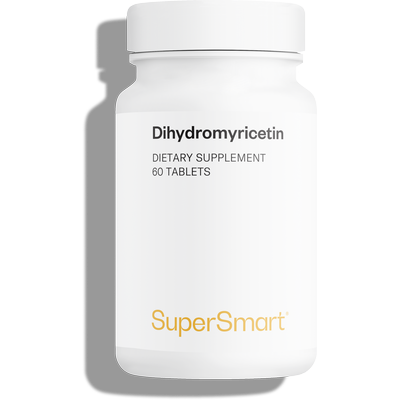
- Dihydromyricetin, a natural supplement containing dihydromyricetin, the no. 1 flavonoid for ‘the morning after the night before’ (20) ;
- LIV 52®, a concentrate of 8 detoxifying Ayurvedic plants supported by 180 clinical studies.
may 7 2025
Very good product, it makes a big difference when you drink. Great pills!
november 17 2023
Prodotto top. Non abusarne
Top product. Do not overuse.
 see the translation
Translated by SuperSmart - see the original
see the translation
Translated by SuperSmart - see the original
september 4 2023
Les effets positifs sont reel
The positive effects are real
see the translation
Translated by SuperSmart - see the original
may 29 2022
Réduit réellement les effets désastreuses de la consommation excèssive d'alcool..
It truly reduces the disastrous effects of excessive alcohol consumption.
see the translation
Translated by SuperSmart - see the original
december 23 2021
Product beantwoordt totaal aan verwachtingen,
The product completely meets expectations
see the translation
Translated by SuperSmart - see the original
Need help?
You may also like